
5 Ways to Increase Citations on Your Paper in 2026
The "Publish and Pray" Strategy is Dead.
You spent months (or years) on the research. You survived peer review. You finally published. And then... silence.
In 2026, the sheer volume of academic output is overwhelming. Millions of papers are published every year, and a significant percentage of them are never cited—not even once. The difference between a paper that gathers dust in a digital archive and one that defines a field often isn't just the quality of the science; it's the discoverability and accessibility of the findings.
Researchers today are drowning in PDFs. If you want your work to be cited, you need to stop just "publishing" and start "broadcasting." Here are 5 data-backed ways to increase your research impact and citation count this year.
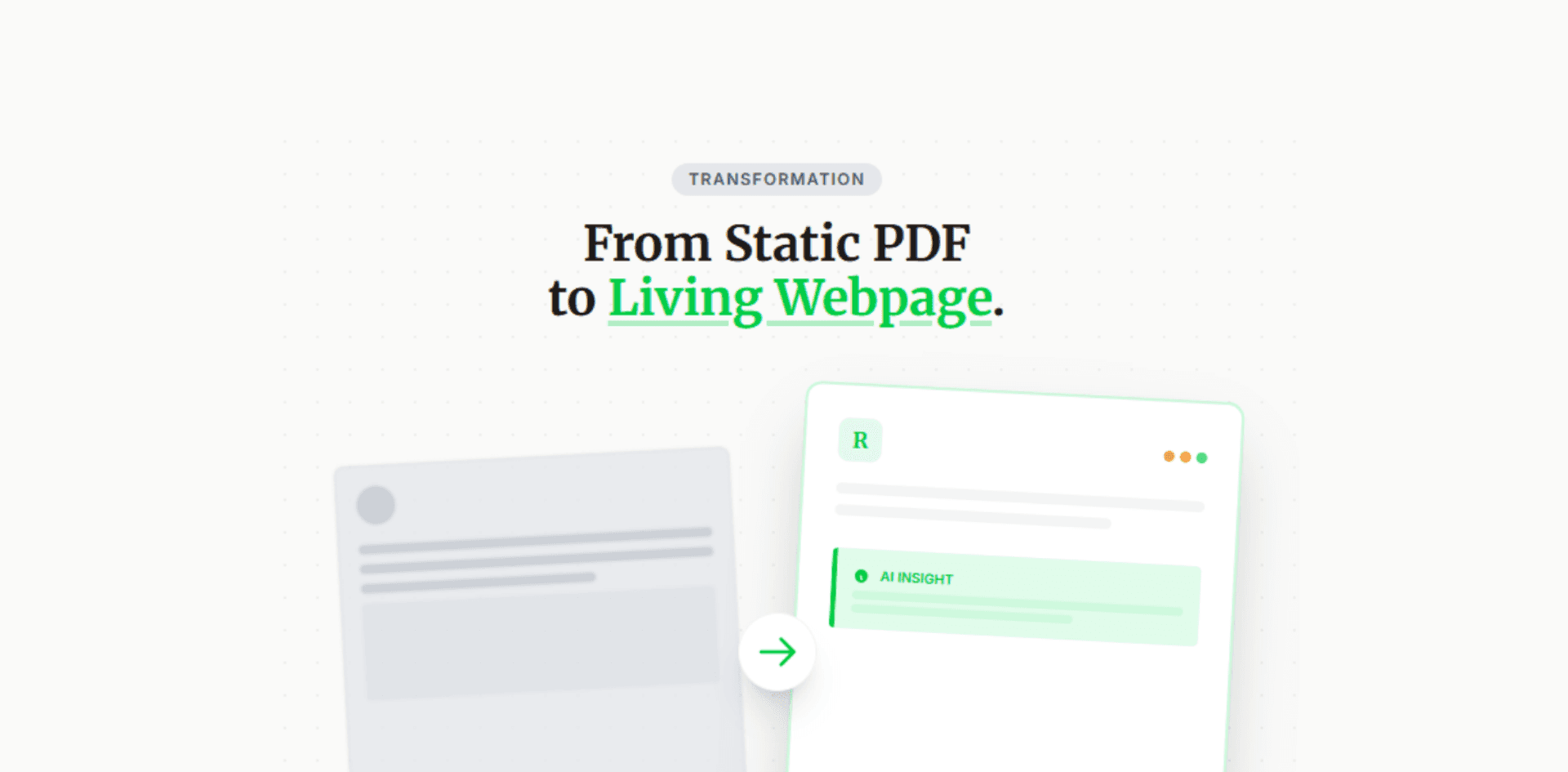
1. Kill the Static PDF: Go Interactive
The traditional PDF is a wall of text that discourages engagement. In an era of dynamic web content, asking a researcher to download, scroll, and parse a 30-page static document is a friction point.
The Strategy: Transform your paper into an interactive experience. Allow readers to hover over terms for definitions, click on citations to see the context immediately, and toggle between sections effortlessly.
How to do it: Platforms like Reserif (Datastripes Research) automatically convert standard papers into interactive, web-based formats. This keeps readers on your work longer and improves comprehension—the first step to getting cited.
2. Visualize Your Data (Don't Hide It)
"A picture is worth a thousand words," but in academia, a good visualization is worth a dozen citations. Researchers often scan figures before reading the text. If your charts are blurry, complex, or static, you lose them.
The Strategy: Instead of static JPEGs, embed interactive data visualizations where readers can filter variables, zoom in on outliers, and verify your results themselves.
How to do it: Use tools that allow for interactive data embedding. When a peer can interact with your dataset directly inside the article, trust increases. Trust leads to citations.
3. The "Trailer" Effect: Video Abstracts
Attention spans are shrinking, even in academia. A dense abstract is often skipped. A 60-second video summary, however, stops the scroll. Papers with video abstracts are shared significantly more on social media than those without.
The Strategy: Create a "movie trailer" for your research. Highlight the problem, the method, and the breakthrough result in under 2 minutes.
How to do it: You don't need a film degree. Reserif's AI generators can scan your paper and automatically produce an explainer video or a vertical Reel optimized for social sharing. It turns your text into a visual narrative instantly.
4. Master the Social Feedback Loop
If you aren't talking about your research on X (Twitter), LinkedIn, or ResearchGate, you are invisible. But simply posting a link isn't enough. You need to engage with the community before and after publication.
The Strategy: Monitor the conversation. Who is talking about your topic? What is the sentiment? Engage with these discussions by linking your findings as a solution to their questions.
How to do it: Use sentiment analysis tools to track keywords related to your field. Reserif provides real-time insights into how your topic is being discussed, allowing you to insert your paper into trending conversations at the perfect moment.
5. Make Your References Actionable
Citation is a two-way street. By situating your work clearly within the existing network of literature, you make it easier for algorithms to recommend your paper to others researching the same topics.
The Strategy: Don't just list references; map them. visual literature reviews help others understand where your work fits in the puzzle.
How to do it: Use automated citation tracking to see who is citing the papers you cited. Reserif helps you visualize this network, ensuring your paper is indexed correctly in the "knowledge graph" of your discipline.
The Bottom Line
In 2026, great science is necessary, but it is no longer sufficient. You must be a marketer of your own ideas.
You don't need more time; you need better tools. Reserif gives you the power to turn a static manuscript into an interactive, shareable, and highly citable asset in minutes.
Stop letting your hard work go unnoticed. Boost your impact today.